
The Japanese aesthetic, renowned for its meticulous craftsmanship and profound cultural resonance, is poised to transform the mundane first-aid kit into a sophisticated object of design. This exploration delves into the intricate details, from the subtle color palettes to the historical influences, revealing a holistic approach to functionality and form. This aesthetic transcends mere practicality, offering a glimpse into a world where beauty and healing converge.
This deep dive examines the aesthetic through the lens of design principles, cultural context, and potential applications in various healthcare settings. The discussion also includes a practical examination of materials, packaging, and the integration of traditional Japanese design elements.
Defining the Aesthetic
The “Japanese first aid kit aesthetic” is a carefully curated blend of traditional Japanese design principles, modern functionality, and a deep respect for healing and well-being. This aesthetic transcends mere practicality, embodying a philosophy of harmony and balance, often expressed through subtle symbolism and refined materials. It’s not simply about the appearance of a first aid kit, but the overall impression of care, safety, and peace of mind it evokes.This aesthetic is characterized by a visual language that communicates a sense of calm and tranquility, contrasting sharply with the often-urgent context of first aid.
This juxtaposition is intentional, aiming to instill a sense of confidence and preparedness without overwhelming the user. It draws inspiration from various aspects of Japanese culture, influencing everything from color palettes to material choices.
Visual Elements
The visual elements associated with the Japanese first aid kit aesthetic often draw from traditional Japanese art forms. For instance, delicate floral patterns, minimalist designs, and muted color palettes are common. The use of natural materials, such as bamboo, wood, and silk, further reinforces this connection to nature. Illustrations of calming scenes, such as serene landscapes or stylized representations of flowers, are also frequently incorporated.
The emphasis is on subtle beauty and understated elegance, not overwhelming graphics.
Cultural and Historical Influences
The Japanese first aid kit aesthetic draws heavily from centuries of Japanese artistic and philosophical traditions. The emphasis on harmony with nature, the concept of “侘び寂び” (wabi-sabi), which embraces imperfection and transience, and the profound respect for the natural world are all evident in the aesthetic’s visual language. Traditional Japanese craftsmanship and attention to detail are key aspects, ensuring every element contributes to the overall sense of serenity.
This meticulous approach is deeply ingrained in Japanese culture, extending to all aspects of daily life, including healthcare.
Color Palettes and Materials
Color palettes in Japanese first aid kits often favor muted tones, such as soft greens, calming blues, and earthy browns. These hues evoke a sense of tranquility and well-being, contrasting with the potentially jarring imagery of injury or illness. Materials used are often natural and sustainable. Bamboo, wood, and silk are commonly chosen for their natural beauty and tactile qualities, while durable, yet subtle fabrics and textiles contribute to the overall aesthetic.
The combination of natural materials and muted colors reinforces the aesthetic’s connection to nature and its emphasis on simplicity.
Design Principles
Key design principles underpinning the Japanese first aid kit aesthetic include symbolism and imagery. For example, the use of cherry blossoms might represent resilience and renewal, while stylized representations of cranes could symbolize longevity and good fortune. These subtle visual cues create a profound sense of well-being and hope, further enhancing the first aid kit’s function as a tool for healing and recovery.
The aesthetic prioritizes the emotional response to the kit, aiming to inspire calm and reassurance. The subtle use of symbolism reinforces the kit’s role as a comforting and supportive tool, not just a practical one.
Visual Representation
The Japanese first aid kit aesthetic, often characterized by its minimalist, functional design and subtle color palettes, offers a compelling visual narrative. Its visual appeal transcends simple utility, embodying a deep-seated cultural appreciation for order, precision, and the inherent beauty of the practical. This aesthetic taps into broader societal trends, particularly in Japan, where a focus on aesthetics and functionality are often intertwined.This section delves into the visual manifestation of this aesthetic, exploring its color palettes, design principles, and symbolic representations in various contexts, from printed materials to digital interfaces.
It emphasizes how these visual elements contribute to the overall message and experience conveyed by the aesthetic.
Color Palettes
The color palettes employed in this aesthetic are typically subdued and harmonious, reflecting a preference for muted tones over vibrant hues. These palettes often evoke a sense of tranquility and trust, aligning with the core principles of first aid—care, calm, and effectiveness.
| Color Name | Hex Code | Description |
|---|---|---|
| Soft Green | #90EE90 | Evokes nature, health, and safety, often paired with neutral tones. |
| Pale Blue | #ADD8E6 | Suggests calmness, clarity, and reliability, often used for borders or accents. |
| Neutral Gray | #808080 | Provides a grounding element, enhancing the clarity and functionality of the design. |
| Muted Orange | #FFA500 | Used sparingly, to create visual interest and highlight important elements, like call to actions. |
Design Quotes
This aesthetic resonates with principles found in Japanese design philosophy, emphasizing simplicity, functionality, and a sense of understated elegance.
“Less is more. Simplicity in design is key to a positive and impactful user experience.”
A quote from a Japanese design publication.
“The beauty of things exists in their functionality. A well-designed object is both useful and aesthetically pleasing.”
A quote from a renowned Japanese designer.
Visual Examples
The aesthetic is not limited to a single form. It can be applied across diverse media, from physical products to digital interfaces.
- First Aid Kit Packaging: A minimalist box, predominantly a soft green, with clear, concise labeling in Japanese. Small, subtle illustrations of medical tools might be included in the background. This design prioritizes ease of identification and understanding.
- Digital Interface: A website or app for first aid information. The background is a muted gray, complemented by pale blue accents. Information is presented in a clear, structured format, with easily accessible links to different resources. Icons for different medical actions would be clean and simple, avoiding complex illustrations.
- First Aid Manual: A soft-cover manual with a pale blue cover, containing a grid layout. Illustrations of medical procedures are simple line drawings, focusing on clarity and accuracy. The typography is easy to read, with a clear hierarchy of information.
Digital Representation
The aesthetic can be seamlessly integrated into a digital environment, such as a first aid website or application. The color palettes, typography, and imagery would contribute to a user-friendly experience. Clear and organized layout, with visual hierarchy, will ensure users easily access information and perform actions.
Symbolism
The design elements within this aesthetic hold symbolic value. The use of soft greens, for example, is often associated with nature, health, and safety in Japanese culture. Muted colors evoke a sense of calm and serenity, important in stressful situations. The clean lines and simple shapes symbolize efficiency and clarity, while the attention to detail conveys a deep respect for the user and the process.
Practical Application
Japanese aesthetics, when applied to first aid kits, offer a unique blend of functionality and cultural resonance. This approach moves beyond mere practicality, emphasizing a holistic experience that respects both the immediate need and the emotional well-being of the user. This meticulous consideration extends to the materials, packaging, and potential integration into wider healthcare environments.The core of this approach lies in translating the delicate balance between tradition and innovation.
The goal is not just to create a visually appealing kit, but one that evokes a sense of calm and confidence during moments of need. This aesthetic sensibility is not limited to the physical kit; it can extend to the entire user experience, creating a positive and reassuring environment.
Common Materials in Japanese First Aid Kits
Japanese first aid kits often prioritize lightweight, durable, and aesthetically pleasing materials. Common materials include lightweight yet robust woven fabrics like cotton or linen, showcasing a preference for natural and sustainable materials. The use of high-quality, subtly colored plastics, often with a matte finish, complements the natural elements. These materials can be combined with bamboo or wood accents for a further integration of traditional Japanese design principles.
Packaging Types for Aesthetic Alignment
The packaging of a Japanese-inspired first aid kit can echo the aesthetic through its form and materials. A traditional Japanese box, orbako*, crafted from wood or lacquered wood, offers a robust and visually appealing option. Alternatively, a compact, zippered pouch crafted from natural fabrics, like a meticulously stitched cotton bag, adds a touch of elegance and practicality. Folding designs, inspired by traditional origami techniques, could also be incorporated to minimize space while maintaining a distinct visual appeal.
Incorporating Traditional Japanese Design Elements
Traditional Japanese design elements, such as intricate patterns, symbols, and calligraphy, can enrich the first aid kit packaging. Applying delicate floral motifs, minimalist koi fish designs, or serene landscapes can contribute to the overall aesthetic. These designs, when skillfully incorporated, can elevate the kit from a mere functional tool to a piece of handcrafted art. The use of natural dyes or subtle colors enhances the visual impact.
First Aid Kit Design for a Japanese Aesthetic
- Materials: Prioritize lightweight yet robust natural materials like cotton, linen, or bamboo. Consider incorporating subtly colored, high-quality plastics for specific components.
- Packaging: A lacquered wood box or a compact zippered pouch crafted from natural fabrics like cotton, complemented by a minimalist design.
- Design Elements: Subtle Japanese patterns (e.g., minimalist koi, cherry blossoms, or traditional Japanese calligraphy) should be carefully integrated into the packaging and labels.
- Functionality: The kit should be designed for easy access and organization, with clear labeling and compartmentalization.
- Color Palette: Utilize a palette of muted, earthy tones (e.g., deep greens, muted browns, or soft creams) to reflect Japanese aesthetics.
Integration into Healthcare Settings
The aesthetic principles of a Japanese first aid kit can be translated into other healthcare settings. Pharmacies could use similar packaging design elements to create visually appealing and reassuring packaging for over-the-counter medications. Hospitals could incorporate these elements into patient waiting areas, creating a calming and supportive atmosphere. The design ethos, emphasizing natural materials and calm aesthetics, could help to reduce stress in potentially stressful environments.
Cultural Context
The Japanese first aid kit aesthetic draws heavily from the nation’s rich artistic and cultural traditions, infusing practicality with profound symbolism. This fusion creates a unique aesthetic that resonates with the country’s deeply rooted respect for nature, harmony, and the inherent beauty in simplicity. This is evident in the meticulous attention to detail, the use of traditional design elements, and the evocative symbolism woven into the very fabric of the design.Beyond mere visual appeal, the aesthetic embodies a profound understanding of Japanese cultural values.
It reflects a holistic approach to healthcare, emphasizing not just the physical well-being but also the emotional and spiritual aspects of healing. This perspective is deeply intertwined with the country’s history, philosophy, and artistic expressions.
Traditional Design Elements and Significance
Japanese design often incorporates elements deeply rooted in centuries of artistic tradition. These include intricate patterns like wavy lines, floral motifs, and stylized depictions of nature. These motifs are not merely decorative; they often represent specific concepts or ideas, adding a layer of symbolic meaning to the design. For example, cherry blossoms symbolize fleeting beauty and resilience, while bamboo represents strength and flexibility. The use of these elements in the first aid kit design signifies the importance of appreciating life’s fragility and the enduring human spirit.
Symbolism of Colors and Patterns
Colors play a crucial role in Japanese aesthetics, conveying specific emotions and meanings. Red, for example, is associated with energy, vitality, and good fortune, while green represents nature and renewal. The choice of colors in the first aid kit design can reflect these symbolic associations, subtly influencing the user’s perception and emotional response. Patterns, like those found in traditional textiles, contribute to the aesthetic appeal and provide additional layers of meaning.
Comparison with Other Cultural Aesthetics
The Japanese first aid kit aesthetic differs from other cultural approaches to healthcare design. Western aesthetics, for example, often prioritize functionality and a clean, minimalist design. In contrast, the Japanese approach emphasizes the emotional connection between the user and the product. The integration of traditional design elements and symbolic patterns creates a unique, culturally specific aesthetic. This is unlike many other countries where the focus is more on the clinical aspects of healthcare products, without the incorporation of significant cultural symbolism.
Historical Evolution of First Aid Practices
Historical first aid practices in Japan, rooted in traditional medicine and herbal remedies, have influenced the design aesthetic. The emphasis on natural healing and preventive care is reflected in the design’s harmony with nature. This reflects a broader historical context where traditional practices often intertwined with the use of natural resources and materials. Over time, this evolved into more structured and scientific approaches, but the emphasis on holistic well-being and harmonious design remained a core element.
Influence of “侘び寂び” (Wabi-Sabi)
The concept of wabi-sabi, characterized by appreciating imperfection, impermanence, and the beauty of natural processes, profoundly influences the aesthetic. A first aid kit designed with wabi-sabi principles might incorporate subtly aged materials or subtly imperfect patterns. This approach reflects a recognition of the inherent transience of life and the beauty found in the acceptance of imperfections, reflecting a philosophical and spiritual depth that goes beyond the practical aspects of first aid.
Product Design
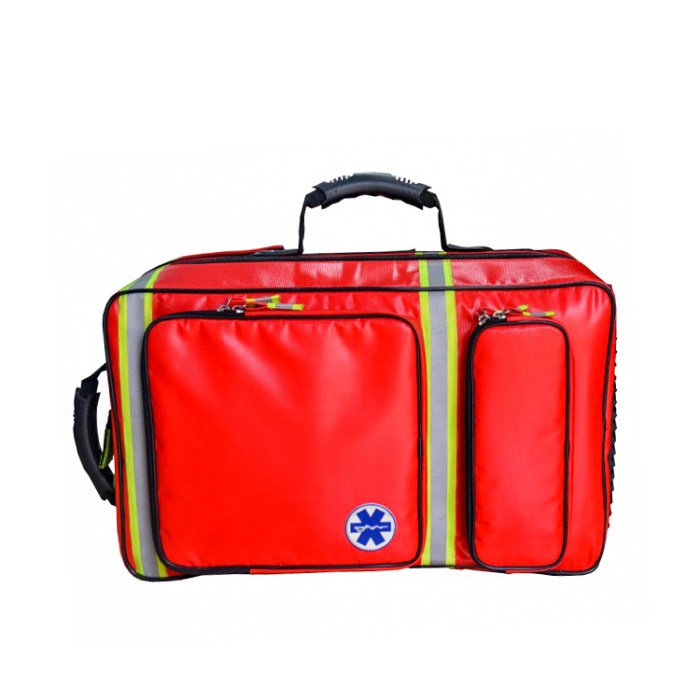
A meticulously crafted first-aid kit, imbued with Japanese aesthetic principles, can transcend its functional purpose to become a treasured object. This design approach prioritizes both practicality and visual appeal, recognizing the significance of aesthetics in enhancing user experience and cultural resonance. The kit should be more than just a collection of supplies; it should be a testament to Japanese design sensibilities.The design should be mindful of both the inherent needs of a first-aid kit – accessibility, organization, and safety – and the cultural elements that evoke a sense of harmony and tranquility.
This requires a delicate balance between form and function, ensuring the kit’s effectiveness while respecting its role as a piece of design.
Potential Product Designs
The following designs explore potential iterations of a Japanese-inspired first-aid kit. They consider various forms, materials, and aesthetic elements.
- Compact, Boxed Kit: A small, meticulously crafted wooden box, perhaps with sliding drawers or compartments, would allow for a highly organized interior. The exterior could feature a simple, elegant design, potentially employing traditional Japanese motifs like cherry blossoms or stylized waves, or a minimalist approach. This would offer a visually appealing yet compact solution.
- Rolling Case: A rolling case, similar in style to a traditional Japanese medicine cabinet, could provide ample storage space. The use of natural materials like bamboo or lacquered wood would reinforce the aesthetic. Consider a design with compartments for different categories of supplies, ensuring easy access and organization.
- Foldable Backpack Kit: A modular, foldable backpack kit could be a practical choice for outdoor enthusiasts or travelers. The kit could feature multiple pockets and compartments for different items, with the exterior design reflecting the Japanese aesthetic. A color palette of muted greens, browns, and creams could evoke a sense of nature and serenity.
Organizing Kit Contents
Organizing the contents is crucial to maintaining both functionality and aesthetic appeal. A color-coded system, using shades of natural tones like earth tones, can visually delineate different categories of supplies.
- Categorization: Group items logically into sections, such as bandages, antiseptic wipes, pain relievers, and blister treatment. This allows for rapid retrieval when needed. Using small, clear containers within each section would maintain the aesthetic while ensuring items are visible.
- Visual Cues: Employ clear labels in a minimalist Japanese font, indicating the contents of each compartment or drawer. The labels should be subtly designed, avoiding overwhelming the aesthetic of the kit.
- Spatial Design: The internal design should optimize space. Consider using different sizes and shapes of containers, ensuring that items are accessible yet not cluttered. This ensures that the first aid kit is both functional and pleasing to the eye.
Packaging Designs
The packaging should reflect the overall aesthetic, subtly referencing Japanese design principles.
- Minimalist Approach: A simple, uncluttered design, using muted colors and traditional Japanese patterns, would maintain the visual harmony. The use of high-quality paper or fabric, with a subtle sheen, would further enhance the aesthetic appeal.
- Natural Materials: Incorporate natural materials like bamboo, rice paper, or wood into the packaging. This ties into the aesthetic’s emphasis on nature and simplicity. This adds to the visual appeal and reinforces the environmentally conscious aspect of the design.
- Handcrafted Detail: Incorporating subtle hand-painted details, such as traditional Japanese motifs or calligraphy, adds a unique touch to the packaging, creating a sense of handmade quality. This detail enhances the kit’s perceived value.
Material Selection
Selecting appropriate materials is vital to achieving the desired aesthetic.
- Natural Materials: Consider bamboo, wood, linen, and cotton for their natural beauty and connection to Japanese design principles. These materials contribute to the aesthetic’s overall harmony and sense of natural elegance.
- Sustainable Practices: Opt for materials sourced from sustainable or recycled sources. This demonstrates an alignment with environmentally conscious values. This contributes to a more responsible and ethical approach to product design.
- Durability and Functionality: Ensure the chosen materials are robust and resilient enough to withstand regular use and environmental factors. This combination of aesthetic and practical use ensures long-term value and usefulness.
Visual Identity
Creating a strong visual identity involves carefully considering the elements that define the kit’s visual appearance.
- Color Palette: A color palette of muted tones, such as earth tones, deep blues, or greens, is aligned with Japanese aesthetics. These colors evoke a sense of tranquility and harmony.
- Symbolism: Incorporate subtle symbols that resonate with Japanese culture, such as cherry blossoms or stylized waves. These symbols enhance the cultural connection and add to the aesthetic’s overall richness.
- Typography: Choose a typeface that reflects the elegance and simplicity of Japanese design. A clean, modern, and legible font will improve readability and visual appeal.
Marketing and Branding
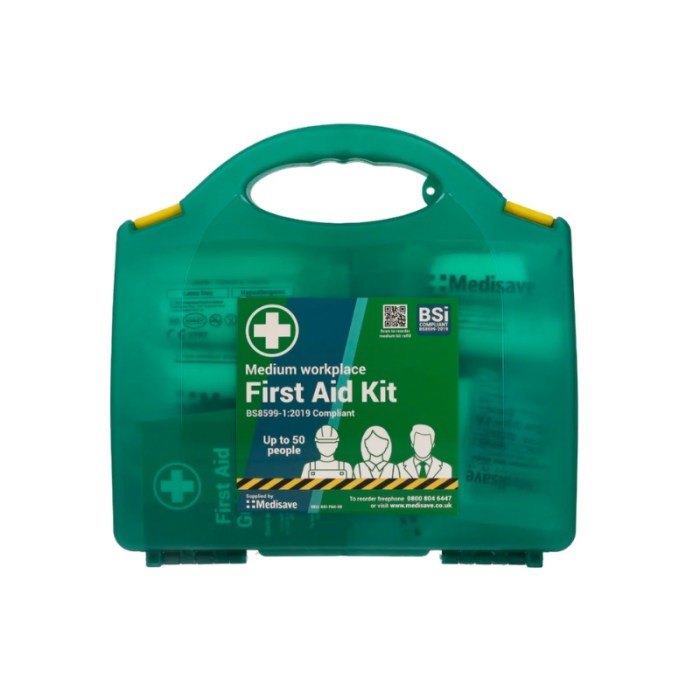
A meticulously crafted Japanese aesthetic for a first aid kit presents a compelling opportunity for a unique and resonant brand identity. The market for specialized health and safety products is highly competitive, but a strong brand story, coupled with a visually appealing and culturally sensitive design, can differentiate the product and attract a dedicated customer base. Leveraging the appeal of Japanese design principles like minimalism and functionality, the marketing strategy should emphasize the product’s quality, safety, and user-friendliness.Effective marketing requires a clear understanding of the target audience and their preferences.
By articulating the core values of the product and highlighting its practical benefits, the brand can build trust and establish a strong emotional connection with potential buyers. This involves more than just showcasing the product’s features; it’s about storytelling, showcasing the cultural nuances of the design, and emphasizing the product’s role in promoting well-being.
Communicating the Aesthetic in Marketing Materials
The visual representation of the Japanese aesthetic, including the color palette, typography, and imagery, should be consistently applied across all marketing materials. Print advertisements, website design, social media posts, and packaging should all reinforce the cohesive brand identity. For example, using muted, calming colors like sage green, deep navy, and warm beige can evoke feelings of tranquility and trust, while incorporating traditional Japanese motifs, like cherry blossoms or stylized landscapes, can add cultural depth.
Typography should be clean, modern, and potentially incorporate Japanese calligraphy for an authentic touch.
Branding the First Aid Kit
A strong brand name is crucial for establishing a clear and recognizable identity. Names like “Kōjō” (meaning workshop or factory, suggesting quality) or “Shizuku” (meaning drop or dew, hinting at gentleness and care) could resonate with the aesthetic. The brand should be more than just a name; it should represent the values of the product, such as safety, reliability, and care for the user.
The logo should be visually simple yet memorable, reflecting the product’s functional purpose and cultural inspiration. Consider a subtle representation of a traditional Japanese symbol or motif to reinforce the aesthetic.
Target Audience
The target audience for this first aid kit likely includes individuals and families who appreciate Japanese design aesthetics, prioritize safety and preparedness, and value quality and functionality. This demographic encompasses individuals with a keen interest in Japanese culture, as well as those seeking practical, well-designed tools for daily use. Age and lifestyle are also important factors to consider.
For example, active individuals and families may be more inclined to purchase a first aid kit with this aesthetic.
Potential Competitors and Their Approaches
Existing first aid kit brands often focus on features and functionality, prioritizing the practical aspects over aesthetic considerations. Some companies may employ a minimalist design approach, while others might use bright, bold colors to appeal to a broader audience. Understanding these competitor strategies will allow the brand to differentiate itself and establish a unique selling proposition, such as focusing on the aesthetic appeal, cultural significance, and practical value of the product.
Marketing Strategy
A multi-faceted marketing strategy is crucial for introducing this first aid kit to the market. A digital marketing campaign, focusing on social media platforms popular with the target demographic, will be vital. Collaborations with Japanese-themed lifestyle bloggers and influencers could significantly expand reach and credibility. Partnerships with relevant organizations, such as outdoor activity clubs or community centers, could generate valuable word-of-mouth marketing.
The campaign should focus on showcasing the product’s design and functionality in an authentic way, highlighting its cultural context and user-friendly features. Promotional offers, such as bundled discounts with related products, can enhance customer engagement and loyalty.
Sustainability and Ethics
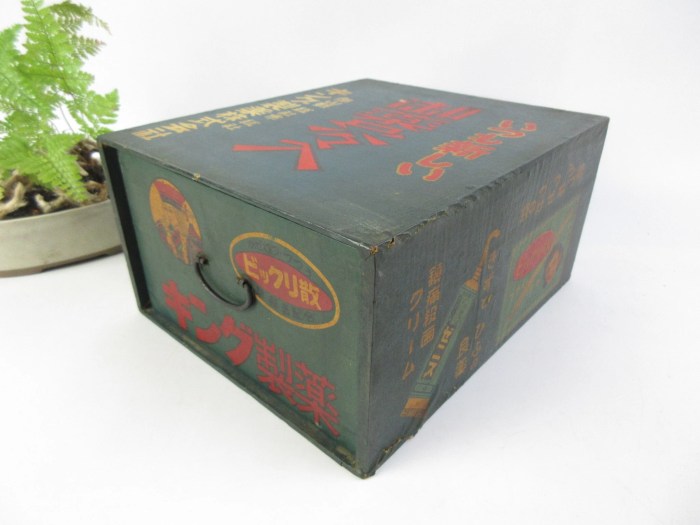
A growing global consciousness around environmental impact and ethical sourcing necessitates a re-evaluation of the production and distribution of consumer goods. This extends to the seemingly simple first aid kit, demanding attention to the materials, manufacturing process, and packaging. A Japanese-inspired first aid kit, with its emphasis on minimalism and functionality, presents an opportunity to showcase sustainable practices while maintaining a distinctive aesthetic.The Japanese aesthetic, often characterized by a deep respect for nature and a focus on functionality, lends itself well to sustainable design principles.
This inherent connection allows for the development of a product that embodies both cultural heritage and environmental responsibility.
Sustainable Materials
A key aspect of creating a sustainable first aid kit is selecting materials with minimal environmental impact. Bamboo, known for its rapid growth and biodegradability, is an excellent option for the outer shell. Recycled or reclaimed plastics can be used for interior components, such as containers for bandages and antiseptic solutions. Furthermore, natural fibers like linen or organic cotton are excellent choices for bandages and wraps.
The use of these materials, combined with responsible sourcing, reduces reliance on virgin resources and promotes ecological harmony.
Ethical Sourcing
Ethical sourcing ensures that the materials used in the first aid kit are acquired responsibly and ethically. This includes considering fair labor practices throughout the supply chain, from the harvesting of raw materials to the final assembly. Transparency in the sourcing process is critical to ensuring accountability and avoiding exploitation. For example, partnering with suppliers who adhere to fair trade principles guarantees a positive impact on workers and communities involved in the production process.
Verification of certifications, such as Fairtrade or Forest Stewardship Council (FSC) for timber, demonstrates commitment to ethical practices.
Production Process
The production process for the first aid kit should reflect a commitment to minimizing environmental impact. Manufacturing should prioritize energy efficiency, water conservation, and waste reduction. For example, choosing locally sourced materials minimizes transportation emissions and supports regional economies. Minimizing packaging materials, using biodegradable or compostable alternatives, and employing closed-loop systems for recycling materials are all critical to a sustainable manufacturing process.
Minimalist Design
Minimalist design, a hallmark of Japanese aesthetics, contributes to a sustainable first aid kit. By focusing on essential items and eliminating unnecessary features, the kit’s functionality and environmental footprint are optimized. A streamlined design also reduces material waste and simplifies the manufacturing process. A minimalist aesthetic emphasizes form and function, which aligns perfectly with the core principles of a sustainable product.
Eco-Friendly Packaging
Eco-friendly packaging choices are crucial for a sustainable first aid kit. Using biodegradable or compostable materials for the packaging eliminates plastic waste and promotes environmental health. The use of recycled cardboard, plant-based inks, and minimal adhesive reduces the kit’s overall environmental impact. A simple, unadorned design for the packaging aligns with the minimalist aesthetic, while conveying a commitment to sustainability.
Interactive Experience
A digital first aid guide, infused with the Japanese aesthetic, can significantly enhance user engagement and understanding. Interactive elements, like virtual first aid kits and animated demonstrations, can make learning more engaging and accessible, particularly for those who may find traditional manuals less intuitive. This digital approach can also cater to diverse learning styles, providing a flexible and accessible way to access crucial information.Interactive experiences translate theoretical knowledge into practical applications, facilitating a deeper understanding of procedures and their importance.
This method proves particularly effective for teaching complex steps in a step-by-step manner, providing immediate visual feedback and allowing users to practice techniques without fear of making mistakes in a safe environment.
User Interface Design for a Digital First Aid Guide
The UI should mirror the calming, minimalist aesthetic of the physical first aid kit, incorporating traditional Japanese design elements. This includes using natural color palettes, like muted greens and browns, and incorporating subtle imagery, such as traditional Japanese patterns or nature scenes. The interface should be intuitive and easy to navigate, with clear icons and a simple layout.
Font choices should be elegant and readable, complementing the overall visual theme. For example, a clean, minimalist design with a focus on clarity and simplicity will enhance usability and appeal to a wider audience.
Interactive Model of a Japanese First Aid Kit
A virtual model of a Japanese first aid kit allows users to explore the contents in detail. This model should be interactive, allowing users to “open” compartments and identify each item with detailed information, including uses, precautions, and proper storage. Users could be able to virtually “pick up” items and view them from multiple angles. For example, a virtual bandage could be animated to show proper application, providing an accessible and intuitive method of learning through visual demonstration.
User Experience Enhancements through Design Elements
Intuitive design elements are critical to enhancing user experience. Clear and concise labeling for each item and procedure is essential. Interactive tooltips or pop-up windows can provide additional details when hovering over specific items or actions. A “search” function will allow users to quickly find specific information or procedures. These elements contribute to a smooth and seamless learning experience, fostering a positive perception of the product.
User Manual Design Incorporating the Aesthetic
The digital user manual should mirror the visual identity of the physical first aid kit, maintaining a similar color scheme and aesthetic. Images of Japanese landscapes or nature-inspired elements can be incorporated to reinforce the brand’s identity. The user manual should employ clear and concise language, complemented by visually engaging graphics and diagrams. For example, illustrations of hand gestures, accompanied by clear textual descriptions, can be used to enhance understanding of procedures.
Incorporating Sounds and Animations
Animations and sounds can greatly improve the user experience. Animated demonstrations of procedures, such as wound cleaning or bandaging, can help users visualize the steps more effectively. Sound effects can be used to signal important steps or provide feedback on actions. For instance, a gentle chime could indicate successful completion of a step, while a warning sound could alert users to potential errors.
This integration can provide a more immersive and engaging learning experience, particularly for users who prefer a dynamic and visual approach.
Typography and Font Choices
The visual language of a first aid kit plays a critical role in conveying both its function and cultural context. Effective typography enhances user comprehension and reinforces the kit’s intended aesthetic. Selecting the right fonts and implementing a clear visual hierarchy are essential for ensuring quick and intuitive access to critical information.Selecting typefaces that resonate with the target audience’s cultural sensibilities is paramount.
In this context, Japanese aesthetics prioritize visual harmony, minimalism, and a sense of tranquility.
Identifying Suitable Typefaces
Japanese typography often utilizes a blend of traditional and modern styles. Fonts with clean lines and subtle curves, such as those inspired by Japanese calligraphy, are well-suited to convey a sense of calm and precision. Sans-serif fonts with a modern feel, like a slightly modified version of Helvetica or a bespoke font reflecting Japanese aesthetics, can also be effective.
Avoiding overly ornate or complex scripts is crucial for maintaining the kit’s clarity. The goal is a font that is easily legible yet conveys a sense of cultural resonance.
Visual Hierarchy in a First Aid Kit
Visual hierarchy dictates how elements within the first aid kit are prioritized. The most important information, like ingredient labels and instructions, needs to stand out. Font size, weight, and color contrast can all be used to establish this hierarchy. For example, larger font sizes can be used for product names and instructions, while smaller sizes can be used for ingredient details or warnings.
This hierarchical approach ensures users quickly identify crucial information, enhancing the overall user experience.
Font Size and Spacing for Clarity
Maintaining an appropriate font size and spacing is vital for readability. The text should be large enough to be easily discernible, even at a glance, while avoiding overly cramped or scattered layouts. Consistent spacing between letters, words, and lines contributes to the overall visual appeal and ensures a clear and professional presentation. Considering the specific materials (e.g., paper, plastic) and the viewing distance (e.g., close-up examination) will further refine font selection and spacing parameters.
Ideally, fonts should be tested with real-world viewing conditions to validate clarity and legibility.
Font Selection for Labels and Symbols
Labels and symbols are critical for a first aid kit. Clear, concise, and easy-to-understand labels are essential for accurate identification of contents. Using a font that is specifically designed for symbols or pictograms can enhance comprehension. For example, fonts designed for medical or pharmaceutical contexts can offer a degree of recognition and trust. Additionally, consider including translations of critical labels and instructions for bilingual or multilingual users.
Japanese Calligraphy and Related Fonts
Japanese calligraphy, with its unique strokes and character structures, can contribute a distinct aesthetic element. Modern interpretations of Japanese calligraphy, or even fonts that capture the essence of Japanese calligraphy’s visual language, can effectively convey the kit’s cultural identity. Care should be taken to ensure the chosen font remains legible and doesn’t impede comprehension.
Accessibility and Inclusivity
A globally-minded first aid kit prioritizes accessibility and inclusivity, ensuring usability for all potential users, regardless of background or ability. This necessitates careful consideration of design elements, materials, and messaging to foster a sense of empowerment and shared responsibility in emergency situations.This entails more than simply meeting regulatory standards; it’s about creating a kit that’s intuitive, understandable, and empowering for everyone.
This requires proactive design choices that minimize barriers and promote ease of use.
Design Considerations for Visual Impairments
Clear, tactile indicators and contrasting colors are essential for users with visual impairments. High-contrast color schemes between labels and backgrounds are vital. Consider tactile markers on packaging and labeling, and Braille markings on crucial items. This proactive approach to design is key to inclusivity and usability.
Design Considerations for Motor Impairments
Large, easy-to-grip handles and containers are critical for users with limited dexterity. Items should be organized in a way that maximizes ease of access, avoiding excessive compartmentalization or small, hard-to-reach containers. Consider the use of magnetic closures and other assistive features for simple, straightforward operation.
Universal Symbols and Clear Communication
The use of internationally recognized universal symbols is paramount. These symbols, such as those for bandages, scissors, and antiseptic wipes, should be prominently displayed and easily understandable, transcending language barriers. The kit’s instructions should be available in multiple languages, incorporating visual aids where possible.
Clarity and Readability for Diverse Backgrounds
A well-designed first aid kit promotes clear, straightforward instructions. Employing simple, direct language, along with visual aids like diagrams and illustrations, is crucial. Avoid jargon or overly technical terminology. Maintaining a simple, easy-to-follow format across all languages will increase comprehension and user confidence in using the kit.
Accessibility Checklist for First Aid Kit Design
- High-contrast color scheme: Use colors with high contrast between labels and backgrounds for visual clarity.
- Tactile indicators: Include tactile markers on packaging and labels, particularly for crucial items.
- Braille markings: Incorporate Braille markings on essential items like bandages and scissors.
- Large-grip handles and containers: Use large, easy-to-grip handles and containers for ease of access.
- Assistive features: Implement features like magnetic closures or other assistive elements to facilitate operation.
- International symbols: Employ widely recognized universal symbols for bandages, scissors, and other items.
- Multiple language support: Provide instructions in multiple languages, utilizing visual aids for clarity.
- Simple, direct language: Employ clear and straightforward language in instructions and labeling.
- Visual aids: Incorporate diagrams and illustrations for visual clarity.
- Avoid jargon: Eliminate overly technical or specialized terminology.
- Easy-to-follow format: Maintain a simple, easily-understood format across all languages.
Historical Parallels
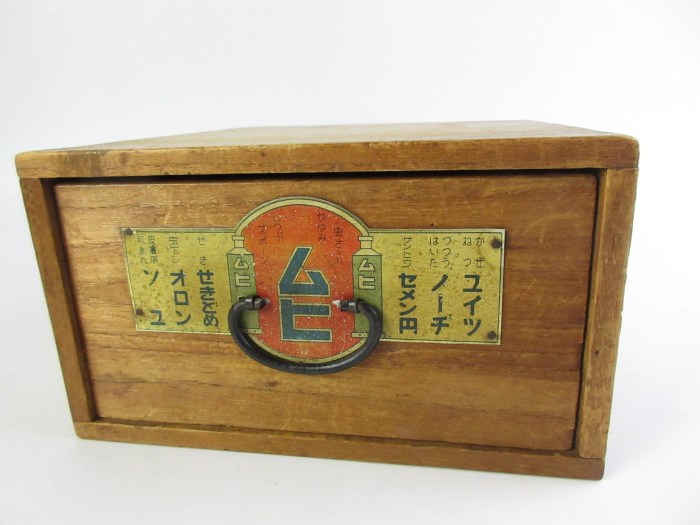
Traditional Japanese medicine, deeply intertwined with the nation’s cultural fabric, provides a rich historical context for the contemporary first aid kit aesthetic. This aesthetic draws inspiration from the meticulous craftsmanship and minimalist design principles that have long characterized Japanese art and daily life. The visual language of the first aid kit, informed by centuries of artistic tradition, aims to evoke a sense of serenity and practicality, mirroring the ethos of traditional Japanese healing practices.Japanese aesthetics, with their emphasis on harmony and natural forms, often translate into a restrained, almost minimalist approach to design.
This principle, deeply ingrained in Japanese culture, finds its way into the visual identity of the first aid kit, aiming for a balance between functionality and refined beauty.
Historical Medicinal Practices
Traditional Japanese medicine, known as Kampo, dates back centuries. Kampo emphasizes the use of natural ingredients and holistic approaches to healing, reflecting a profound connection to nature. The visual representations of these practices, often found in scrolls, paintings, and ceramics, showcase a strong emphasis on natural imagery and symbolic motifs. These depictions frequently feature plants, animals, and natural landscapes, reflecting the importance of nature in the healing process.
This focus on natural elements and symbolic imagery provides a valuable framework for the design aesthetic of the first aid kit, emphasizing natural materials and subtle, symbolic imagery.
Influence of Traditional Japanese Art and Crafts
Japanese art and crafts, including calligraphy, woodblock prints, and ceramics, have a profound influence on the aesthetic of the first aid kit. The principles of minimalism, attention to detail, and harmonious balance, evident in these forms of art, inform the design choices of the first aid kit. The meticulous craftsmanship and focus on quality materials, as seen in traditional Japanese crafts, are mirrored in the construction and selection of materials used in the first aid kit.
This connection to tradition elevates the everyday object, imbuing it with cultural significance and historical context.
Traditional Motifs and Patterns
Traditional Japanese motifs and patterns, such as the iconic cherry blossom, bamboo, and the wave, are frequently incorporated into the design of the first aid kit. These motifs, deeply rooted in Japanese culture, evoke feelings of serenity, resilience, and natural beauty. Their use in the first aid kit aesthetic aims to connect the product with the rich history and cultural identity of Japan, making it more than just a functional tool.
Furthermore, the use of subtle color palettes and restrained patterns adds a layer of sophistication to the design.
Relationship to Minimalist Design Principles
The minimalist design principles prevalent in Japanese aesthetics translate seamlessly into the first aid kit’s design. This approach emphasizes functionality and a clear visual hierarchy. The design focuses on clean lines, uncluttered surfaces, and the careful selection of materials, creating a sense of simplicity and sophistication. The minimalist aesthetic in the first aid kit reduces visual noise, allowing the essential elements of the kit to stand out clearly.
This approach creates a visual harmony that resonates with Japanese design sensibilities.
Examples of Japanese Craftsmanship
The intricate lacquerware, delicate porcelain, and meticulously crafted wooden objects exemplify the high standards of Japanese craftsmanship. These examples demonstrate a profound respect for materials and a dedication to detail. The emphasis on quality materials and meticulous construction, evident in traditional Japanese crafts, is mirrored in the first aid kit, ensuring its longevity and durability. The use of high-quality materials, such as natural wood or sustainably sourced fabrics, further underscores the dedication to quality craftsmanship.
Summary
In conclusion, the Japanese first-aid kit aesthetic represents a compelling fusion of functionality and artistry. From its thoughtful design principles to the sustainable materials considered, it offers a refreshing perspective on healthcare products. The aesthetic’s potential extends beyond the first-aid kit, suggesting wider applications within healthcare and beyond.
